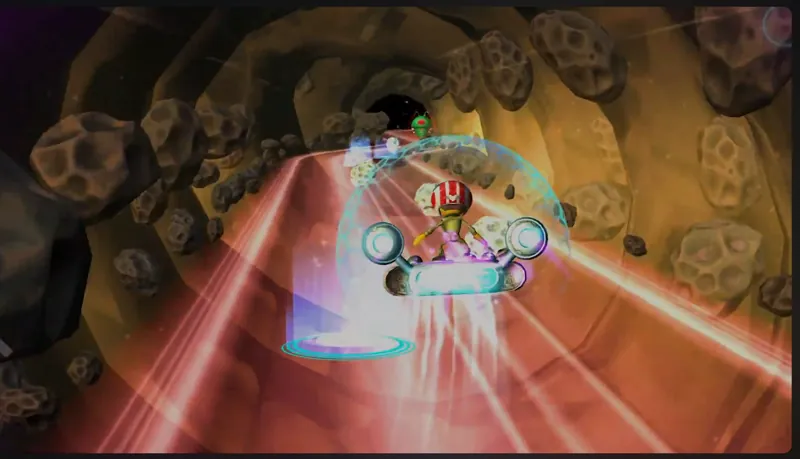
Dus Pattay: screening for ADHD through play
A twenty-minute tablet game for children aged 8–12, shaped with eight psychologists and psychiatrists, with the fun deliberately switched off whenever it needs to measure.
Read the case study →HCI researcher and designer. Research, Figma prototypes and front-end builds, from tablet games to web apps.
Research I went into the field for, and the things I built from it.
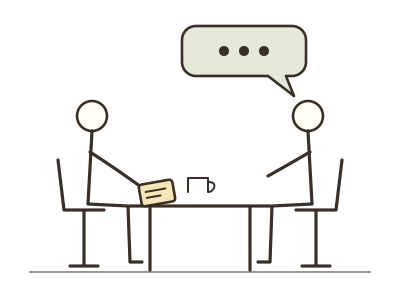
A twenty-minute tablet game for children aged 8–12, shaped with eight psychologists and psychiatrists, with the fun deliberately switched off whenever it needs to measure.
Read the case study →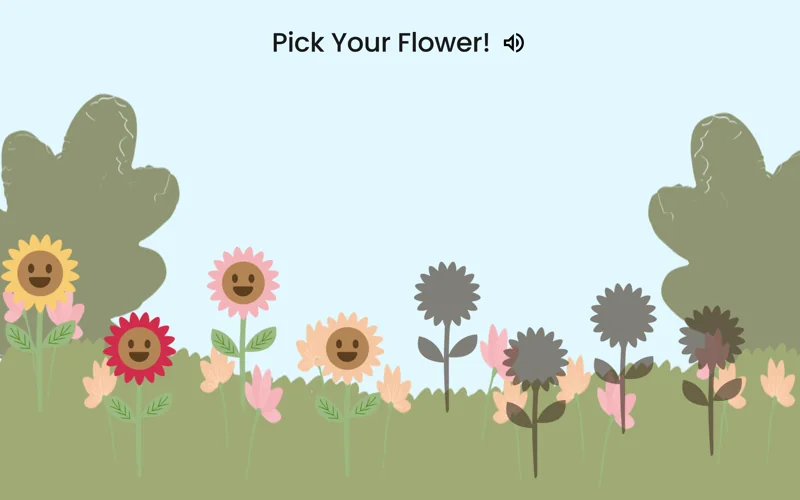
Socio-emotional learning for children in orphanage care. Seven orphanages, thirty ideas, one talking flower, and a usability test that proved icons, not words, carry the interface.
Read the case study →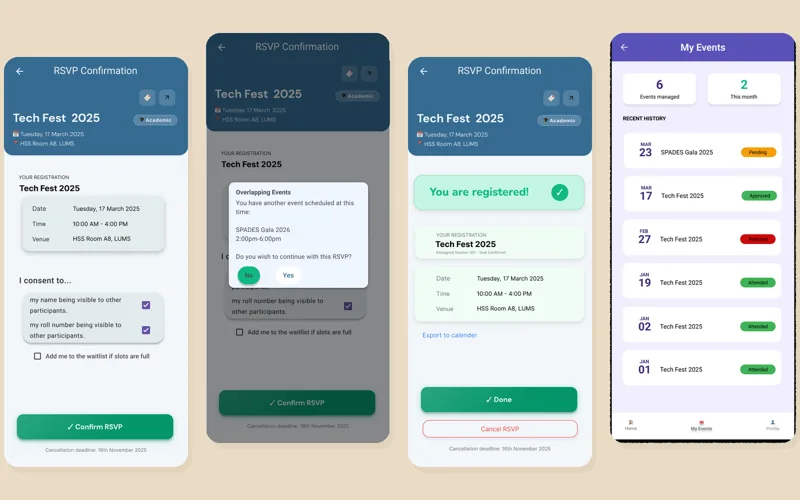
A campus events app shaped by a survey of 16 students. I built the RSVP flow: an overlap check, privacy choices, calendar export, and reminders a day and an hour before.
Read the case study →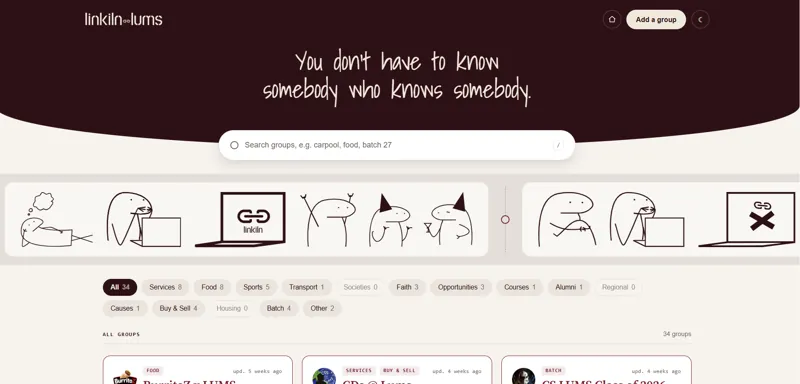
Six hand-built pages and nineteen illustrations for a directory with one job: find a group and join it in under thirty seconds.
Alongside computer science, I took courses at the LUMS School of Education and business school, because the people I most want to design for are learners, especially autistic and ADHD students.
With a partner, I designed an original learner case (a child’s symptom history, academic skill gaps and classroom behaviour) and presented an academic and a behavioural intervention plan for them, with how each would actually run in a classroom.
Study guides covered functional behaviour assessment, reading comprehension in autism, teachers’ attitudes to inclusion in Pakistani schools, and how to tell evidence-based interventions from pseudoscience.
A design-thinking challenge: fix a real campus problem without spending anything. I found 31 course-swap requests on the student forum and more than 58 in a single batch WhatsApp group, where whoever posts most gets seen. I reframed it as a fairness problem and built a first-come-first-served matcher with Google Forms and Apps Script that emails both students Accept/Decline buttons, then tested it with six students.
Self-determination, expectancy-value and goal theory: the psychology behind engagement, and behind good gamification. Assessed through a case analysis and an eight-minute presentation.
Applied behaviour analysis (ABA) for classrooms, worked through realistic teaching cases: judging teaching styles against a behavioural definition of teaching, auditing a new teacher’s plan against the seven dimensions of ABA, writing objective definitions of target behaviours, and choosing reinforcement schedules.
A philosophy of education seminar, from Al-Farabi and Aristotle to Kant and Iqbal. My last reflection proposed replacing a label-the-parts biology lesson with one where students observe a living plant change.
Equity, diversity and inclusion in organisations. My report on Red Rising traced how inequality is built and kept in place at three levels (laws, institutions, everyday language) and compared each to our world, then I presented it in class.
where it meets design → Dus Pattay screens for ADHD through play, and Gul supports children’s emotional learning.
“One girl, told to click the button neechay (below), searched the bottom of the laptop, not the screen.”
I’ve always made things: paintings, crochet, pottery. At LUMS I took the coding and theory courses, and then, in my final-year project, I found HCI: reading research papers, doing primary research, designing in Figma. I gave it everything. The next semester I took the HCI course and did it all again.
Education runs through all of it. I took six education courses alongside computer science, including one on inclusion for autism and intellectual disability, and I want to design for autistic and ADHD students, the children classrooms are least built for.
I loved my semester in South Korea and I’d go back tomorrow. These days I’m in Riyadh, open to work in person or remotely.
Where the colours and the patience come from.
Open to UI design, UX research and front-end roles and projects, in Riyadh or remote.